
TL;DR: “Too Long; Didn’t Read”
Ultrasound food processing is a non-thermal technology that uses cavitation to enhance food preservation, improve mass transfer processes such as drying and rehydration, and boost heat transfer during freezing and heating. It also increases extraction efficiency and microbial safety—providing an eco-friendly, efficient alternative to traditional heat-based methods.
Introduction
Ultrasound has been utilized in various food processing applications, both in research settings and in Food Industries (McHugh, 2016). This post discusses and presents some examples of already established applications of ultrasound in the food industry around the world. However, this does not mean that its use is limited to these cases.
This emerging technology has received significant attention owing to its environmentally friendly nature and nonthermal advantages. These benefits include enhanced processing throughput, lower operational costs, improved quality of the final product, streamlined processing, and decreased energy consumption (McHugh, 2016). This article will examine various applications of ultrasonics in food processing, along with the fundamental principles underlying the technology.
Companies are now striving to enhance process efficiency and minimize both energy and water consumption, ultrasound has emerged as a valuable technology across numerous applications within the food and beverage industry. While its effectiveness was initially demonstrated at laboratory and pilot scales, power ultrasound now has a well-established track record in industrial environments. It has been shown to deliver tangible benefits, including lower operational costs, reduced product loss, and shortened processing times across a wide range of high-throughput processes (McGill, 2021).
Ultrasound technology can be applied across a broad spectrum of food and beverage processes. It primarily exerts its influence through a phenomenon known as cavitation (McHugh, 2016 and McFill, 2021), wherein microscopic bubbles form, expand, and rapidly collapse once they reach a critical size. This implosion generates localized conditions with temperatures approaching 5000 K and pressures up to 1000 bar. Such extreme conditions offer significant advantages in food processing. For instance, during freezing, cavitation enhances heat transfer, facilitating faster freezing and producing smaller ice crystals—thus reducing cellular damage typically associated with conventional freezing methods. This application and others, are already accessible for industrial use (McGill, 2021).
Ultrasound-induced enhanced mass transfer also supports various extraction processes, including but not limited to, drying and dehydration, retrieving bioactive compounds from tea and coffee, extracting proteins from insects, and optimizing dry hopping in beer brewing—a topic recently highlighted by Campden BRI (McGill, 2021).
Ultrasound technology encompasses diverse application methodologies specifically designed to meet various food processing goals, including texture enhancement, mass transfer acceleration, heat transfer and structural property modification. The practical implementation of ultrasound occurs through two primary approaches: direct sonication and indirect sonication. Direct sonication employs probe systems that deliver concentrated, high-energy ultrasound directly to the target material, making it ideal for applications requiring intense treatment. Conversely, indirect sonication utilizes ultrasound baths or flow-through systems that provide more uniform energy distribution throughout the product, making this approach particularly well-suited for delicate materials or large-volume processing operations (Prempeh et al., 2025).
The field has witnessed significant advancement through the development of sophisticated techniques such as multi-frequency ultrasound systems, which substantially improve both cavitation efficiency and treatment uniformity across the processed material. These enhanced capabilities prove especially valuable in specialized applications including controlled freezing processes, optimized drying operations, and efficient extraction procedures. High-intensity ultrasound methods have demonstrated remarkable effectiveness in accelerating marination processes and achieving superior tenderization results in meat products, while gentler indirect approaches excel in applications such as precise crystallization control and enhanced drying kinetics for fruits and vegetables (Prempeh et al., 2025).
The successful integration of ultrasound technology into continuous processing lines has revolutionized industrial scalability by dramatically reducing processing times while simultaneously improving product uniformity. This seamless incorporation into existing production systems allows manufacturers to enhance their operational efficiency without requiring complete overhauls of their processing infrastructure (Prempeh et al., 2025).
Ultrasound technology has found widespread application across various food processing operations due to its eco-friendly, non-thermal nature and ability to significantly enhance efficiency.

This post provides a comprehensive overview of the mechanism, capabilities and industrial applications of ultrasound. Readers interested in specific uses are encouraged to use the table of contents for easy navigation.
Below is a list of applications of Ultrasound in the food industry:
- TL;DR: “Too Long; Didn’t Read”
- Introduction
- How Ultrasound Exerts its Effects in Food Systems
- Ultrasound and Heat Transfer (Cooling, Freezing, Thawing, Heating)
- Freezing
- Thawing
- Cooking
- Brining and Pickling
- Filtration
- Drying (Dehydration)
- Rehydration
- Degassing and Deaeration (important for beer)
- Increasing Extraction Yield
- Cutting
- Meat industry
- Seafood Industry
- Fruits and vegetables
- Dairy industry
- Homogenizing/Emulsifying
- Conclusion and Future prospects
- Reference
How Ultrasound Exerts its Effects in Food Systems
Ultrasound technology is widely recognized for its role in navigation and prey detection in animals like bats and dolphins, which utilize frequencies between 20 and 100 kHz. In contrast, the average human auditory system can detect sounds in the range of 20 Hz to 20 kHz. In the field of food processing, ultrasound is employed at much higher frequencies, ranging from 20 kHz up to 10 MHz (McHugh, 2016).
These frequencies are subdivided into three distinct ranges, each offering unique functional advantages. In the low frequency, high power range (20–100 kHz), ultrasound produces high-amplitude waves that significantly influence the physicochemical properties and structures of food. This category is commonly known as power ultrasound due to its transformative effects (McHugh, 2016; Chen et al., 2020; Taha et al., 2023).
| Frequency Range | Purpose | Name / Application |
|---|---|---|
| 20–100 kHz | High power, changes food structure | Power ultrasound |
| 100 kHz–1 MHz | Triggers chemical reactions | Sonochemistry |
| 1–10 MHz | Just scans food, no changes made | Analytical/Diagnostic ultrasound |
The intermediate frequency range (100 kHz to 1 MHz) is primarily used to initiate chemical reactions, including the generation of free radicals. This application is referred to as sonochemistry. At both low and intermediate frequencies, ultrasound waves travel through the medium as sinusoidal waves, causing elastic vibrations and leading to a phenomenon known as acoustic cavitation (McHugh, 2016; Chen et al., 2020; Taha et al., 2023).
Acoustic cavitation is the central mechanism by which ultrasound exerts its effects in food systems. It involves the rapid formation and collapse of micro- and nano-scale gas bubbles within the liquid being treated. These bubbles grow and implode at extremely high frequencies—tens of thousands of times per second—producing intense localized temperatures and pressures. This dynamic environment generates high shear forces and free radicals, which can be leveraged to enhance food processing techniques (McHugh, 2016; Chen et al., 2020; Taha et al., 2023).
In systems where both solid and liquid phases are present, the collapse of cavitation bubbles is asymmetric. This results in micro-jetting, where liquid is rapidly ejected toward solid surfaces, promoting efficient heat and mass transfer and altering surface characteristics (McHugh, 2016).
The high frequency, low power range (1–10 MHz) of ultrasound is primarily used for diagnostic purposes in food analysis. Unlike lower frequencies, these waves do not alter the structure of food materials, making them ideal for non-destructive assessment of structural and compositional attributes. Applications include the analysis of protein, moisture, and fat content, monitoring dough consistency, evaluating oil purity and composition, assessing the physical properties of batters, and detecting adulteration in products such as honey. This high-frequency range, however, is beyond the scope of further discussion here (McHugh, 2016; Chen et al., 2020; Taha et al., 2023).
Numerous companies produce and distribute ultrasonic processing equipment for food applications. Leading manufacturers include Branson (Danbury, Connecticut), Cavitus (Australia), Dukane (St. Charles, Illinois), Hielscher (Germany), Innovative Ultrasonics (Australia), Sonimat (France), and Telsonic (Switzerland).
Ultrasound and Heat Transfer (Cooling, Freezing, Thawing, Heating)
The propagation of ultrasonic waves in a fluid, particularly in a liquid medium, can give rise to several physical phenomena. Among these, the most significant for enhancing heat transfer are acoustic cavitation and acoustic streaming. While additional effects, such as localized heating resulting from the dissipation of mechanical energy, may also occur, acoustic cavitation and streaming remain the primary mechanisms responsible for the observed improvements in heat transfer performance (Legay et al, 2011).
Heat Transfer represents Cooling, Freezing, Thawing and Heating.
Freezing
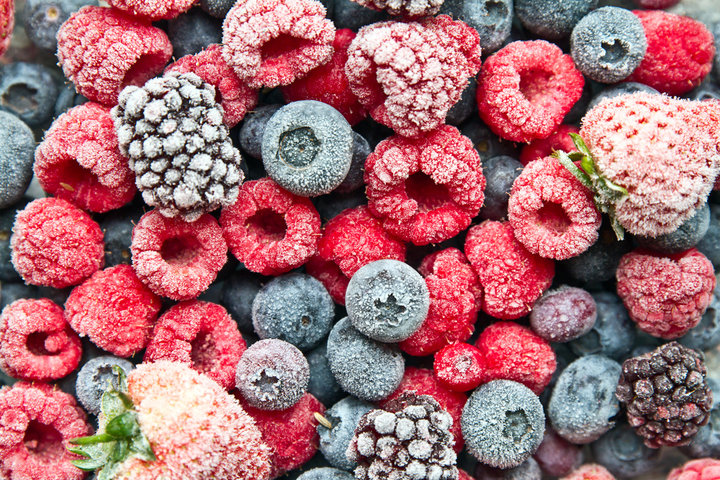
It facilitates freezing and crystallization in dairy, fruits, vegetables, and meats by promoting uniform heat transfer, preserving microstructure, and forming smaller ice crystals.
Mechanism: The application of ultrasound initiates rapid conventional cooling and promotes uniform crystal seeding, which reduces the required dwell time. An increased number of seeds leads to smaller final crystal sizes and minimizes cellular damage. This enhancement of heat transfer results in more efficient cooling. Initially, acoustic cavitation generates microstreaming, which causes intensified collisions among microparticles within the solution, producing thinner solid–liquid interfaces. Subsequently, the formation and implosion of cavitation bubbles within the medium generate extremely high pressures, reaching up to 100 MPa. The significant supercooling effect caused by these pressures facilitates rapid nucleation. Finally, primary nucleation is driven by cavitation bubbles of specific sizes (promotes early nucleation by using cavitation bubbles as crystal seeds once they reach a critical size), while secondary nucleation occurs due to the fragmentation of larger dendritic ice crystals via shear forces, generating more nucleation sites and reducing final crystal size (McHugh, 2016; Qiu et al., 2020; Fu et al., 2020; Zhu et al., 2020; Bhargava et al., 2021; Taha et al., 2023; Prempeh et al., 2025)..
In a nutshell, applying ultrasound accelerates freezing by increasing nucleation sites, leading to smaller crystals and less cellular damage. Ultrasound-assisted freezing enhances the freezing and crystallization processes in foods like dairy, fruits, vegetables, and meats.
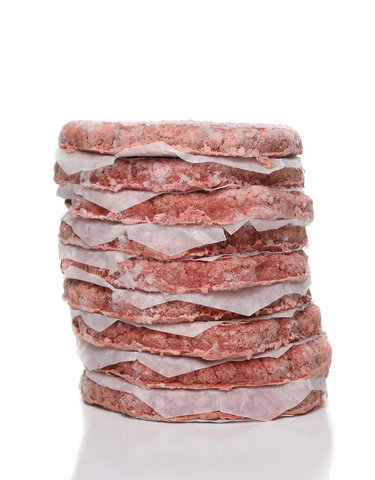
This technology has been applied in storing high-value foods and pharmaceuticals, and in crystallization processes for vegetable oils, ice cream, and milk fat. Additionally, ultrasound prevents crystal encrustation on cooling surfaces, maintaining efficient heat transfer and system performance (Bhargava et al., 2021).

Ultrasound has also been employed to create premium frozen products such as ice cream by managing the crystallization process using sonocrystallization (McHugh, 2016).
Thawing
During thawing, it accelerates the process, maintains color, prevents lipid oxidation, and reduces dehydration.
In the meat industry ultrasound-assisted freezing and thawing is already applied with numerous examples (Soltani Firouz et al., 2022).
Although ultrasound-assisted freezing and thawing methods have demonstrated many advantages, they remain primarily at the laboratory research stage, and significant work is still required to enable their widespread industrial implementation. Find out more in the Chapter: Meat Industry below.
Freezing represents one of the most prevalent and extensively utilized preservation methods for extending product shelf life, with its effectiveness fundamentally dependent upon the careful optimization of thawing conditions. The defrosting or thawing process for frozen products presents significant challenges within the food processing industry, characterized by its inherently slow nature and substantial associated costs, which consequently create operational inconveniences across catering services and various unit operations. Throughout the thawing process, food products undergo complex transformations involving microbial proliferation, chemical alterations, and physical structural changes that can significantly impact product quality and safety. Problems includes the dripping and surface heating and the extreme protein denaturation due to the conventional thawing approaches like microwave thawing or air thawing and hot water (Taha et al., 2023).
Research has demonstrated that the implementation of ultrasound technology substantially enhances thawing rates when compared to conventional conductive heating methods alone. Experimental studies involving cod blocks revealed remarkable efficiency improvements, with ultrasound-assisted water immersion requiring approximately 71% less time than traditional water immersion techniques when ultrasound was applied. Similar applications of ultrasound technology have proven effective in the thawing of various fish and meat products.

The absorption of ultrasound energy by frozen products serves as a catalyst for accelerating the thawing process while simultaneously enhancing overall product quality. When ultrasound is applied with proper efficiency parameters, it demonstrates the capacity to significantly improve thawing rates while avoiding problematic surface heating and excessive product dehydration. Additionally, this technology helps preserve natural color characteristics and provides inhibitory effects against lipid oxidation processes. The integration of ultrasound with water immersion techniques during thawing operations offers a synergistic approach that maximizes the benefits (McHugh, 2016; Qiu et al., 2020; Li et al., 2020; Bhargava et al., 2021; Taha, 2023).
Cooking
In cooking, ultrasound ensures faster heat transfer, better nutrient retention, enhanced flavors, and tenderization in meat and vegetables.
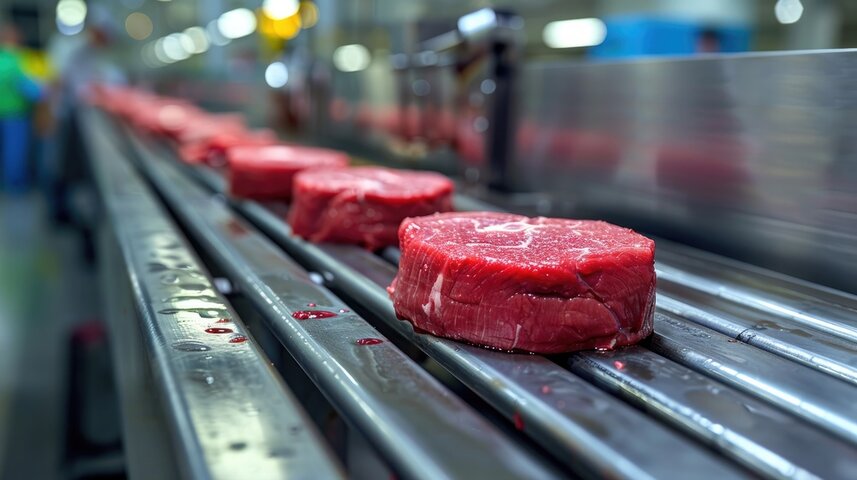
Ultrasound cooking is based on the principle of uniform heat transfer. Unlike conventional cooking methods, which often cause overheating of the food’s surface while leaving the interior undercooked—leading to diminished quality—ultrasound provides a more balanced thermal distribution. This technique enhances heat transfer efficiency, helping to preserve food quality during cooking.
In meat processing, ultrasound-assisted cooking has been shown to improve moisture retention, reduce cooking time, and increase energy efficiency. These effects contribute to better textural and sensory qualities, along with enhanced water-binding capacity in the final product. Additionally, ultrasound cooking supports the production of moist pre-cooked or fully cooked meat while minimizing the loss of essential nutrients.
In fruits and vegetables, ultrasound can similarly improve heat transfer and nutrient retention. The process relies on acoustic cavitation, along with the generation of localized high pressure and shear forces, which help soften plant tissues. This action facilitates moisture release, enhances thermal conductivity, and maintains the overall quality and sensory attributes of the cooked products (Taha et al., 2023).
Brining and Pickling
In brining and pickling of products such as cheese, meat, and fish, ultrasound allows for uniform salt distribution, reduced sodium use, and longer shelf life.
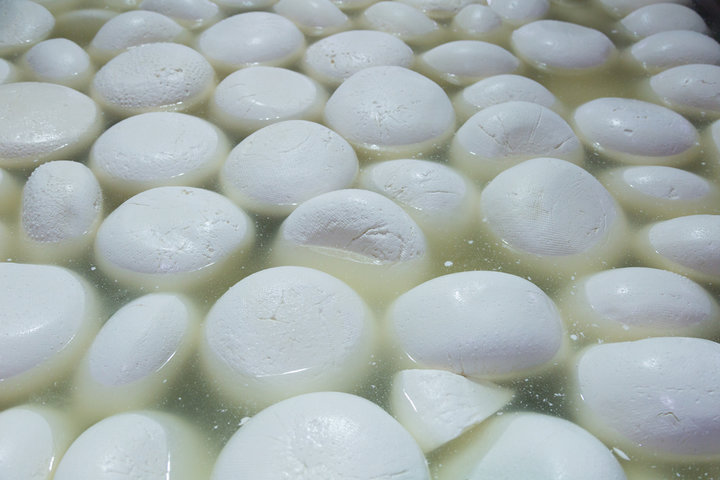
Brining has established itself as a fundamental process in food preservation and manufacturing, particularly for cheese and meat products. However, traditional brining methods face significant limitations including low efficiency and prolonged preservation times. The application of ultrasound technology presents a promising solution to overcome these drawbacks, offering food producers viable alternatives to conventional brining approaches.
Ultrasonication serves as an innovative method for producing pickled food products while requiring substantially less sodium chloride compared to commercially available pickles currently on the market. Research has demonstrated the effectiveness of ultrasonic-assisted brining through studies involving pork loin slices immersed in saturated solutions during ultrasound application. Results consistently show that sonicated samples contain higher levels of both sodium chloride and water content compared to their non-sonicated counterparts following treatment.
The benefits of acoustic treatment extend beyond enhanced salt and moisture uptake. This technology significantly reduces the time required for salting processes while minimizing undesirable effects such as raw meat discoloration and crust formation. Additionally, ultrasonic-assisted brining produces products with remarkably uniform salt distribution throughout the food matrix.
In cheese production, ultrasonic treatment creates unique characteristics during the ripening process. While salt concentration equilibrium cannot be achieved at the initial ripening stage as it would in conventional methods, ultrasonically brined cheese exhibits reduced water diffusivity, which directly correlates to lower drying rates during maturation.
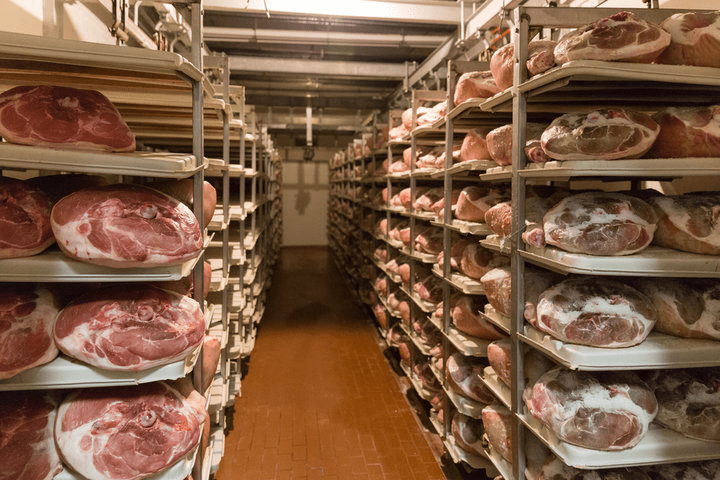
For meat products specifically, ultrasound application dramatically enhances mass transfer rates once a critical intensity threshold is reached. This acceleration in brining processes enables better control over common issues including bloating, structural damage, and enzymatic softening that typically affect brined foods. High-intensity acoustic energy application has been shown to increase overall salt concentration in pork loins while preserving color and quality characteristics. The resulting meat products demonstrate superior juiciness and tenderness compared to conventionally brined alternatives.
Ultrasonic-assisted meat brining provides comprehensive improvements in mass transfer efficiency, moisture retention, and salt diffusion into meat products. This efficiency not only streamlines production but also reduces waste and operational costs for food manufacturers (Chemat & Khan, 2011; Bhargava et al., 2021)
Filtration
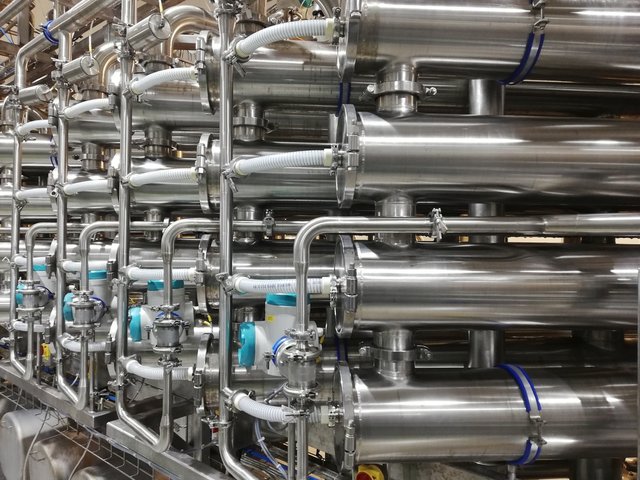
In filtration, ultrasound vibrations improve membrane permeation and reduce processing time, especially for liquid foods like juices.
Contamination and residue buildup are primary challenges in membrane filtration, leading to reduced filtration efficiency. Ultrasound offers a solution; it can enhance filtration efficiency by disrupting the cake layer that forms on the membrane surface, thereby increasing flux without altering the membrane’s inherent permeability (McHugh, 2016; Taha et al., 2023). Ultrasound technology has demonstrated significant potential for enhancing various unit operations throughout the food industry. Filtration represents one of the most critical processes in food manufacturing, serving as an essential method for achieving efficient separation of solids from their mother liquor and producing solid-free liquids. However, this process faces considerable challenges related to fouling and concentration polarization, which occur when filtrate or filter cake deposits accumulate on the membrane surface. These phenomena represent major operational issues that substantially reduce filtration efficiency and compromise overall process performance.
The application of ultrasound energy has emerged as an effective solution to address these persistent filtration challenges. When ultrasound is applied during the filtration process, it successfully disrupts the retentate layers that accumulate on the membrane surface and cause concentration polarization. Importantly, this disruption occurs without affecting the membrane’s intrinsic permeability characteristics. The result is a notable increase in flux rates coupled with a corresponding decrease in flow resistance, leading to improved overall filtration performance and enhanced process efficiency (Bhargava et al., 2021).
Ultrasound-assisted filtration can help mitigate safety concerns and improve the overall efficiency of processed products. In the food industry, this technique has been applied to processes such as the separation of fruit-based beverages and has shown potential in enhancing the filtration of industrial wastewater (Taha et al., 2023).
Ultrasonically assisted filtration has been effectively used to improve the filtration of industrial wastewater, fruit juices, and various extracts (McHugh, 2016).
Drying (Dehydration)
Its application in drying intensifies mass transfer, shortens drying time, and improves organoleptic qualities.
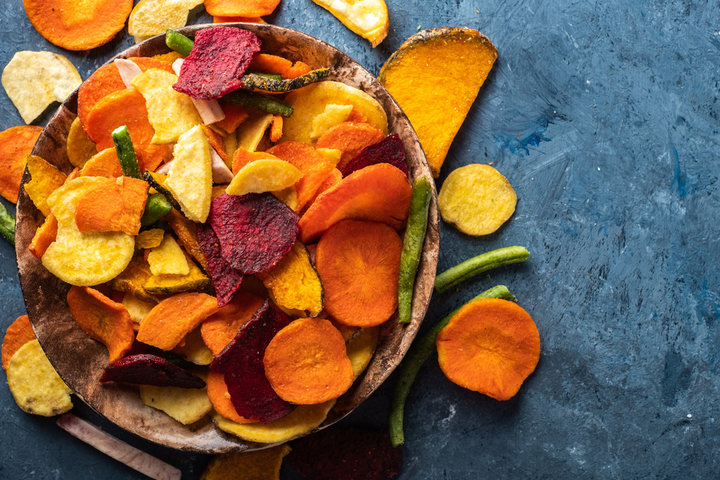
Food dehydration is one of the oldest preservation techniques, relying on the simultaneous transfer of heat and mass to remove moisture and extend shelf life. However, the dehydration process often faces challenges due to slow mass transfer rates, which vary depending on the food matrix and processing conditions. To address these limitations, ultrasonic treatment can be employed to enhance mass transfer efficiency. Ultrasound facilitates the formation of microscopic channels within the food structure, which not only accelerates moisture removal but also improves the rehydration capacity of the dried product. This method enables higher drying rates at the same temperatures or allows effective drying at lower temperatures.
Ultrasound has been integrated into various dehydration techniques, including ultrasound-assisted convective drying, osmotic drying, vacuum drying, and freeze drying. It can be applied either as a pretreatment or during the dehydration process, using direct or indirect contact methods. Additionally, ultrasound-based applications and equipment have been further developed to optimize drying performance and improve the quality of dehydrated foods.
Ultrasound technology has emerged as a powerful tool for enhancing the drying (dehydration) process of various food products, including fruits, vegetables, meat, and fish. This innovative approach significantly accelerates mass transfer mechanisms, ultimately preserving product quality more effectively than traditional methods (Başlar et al., 2015).
High-power ultrasound has been shown to significantly enhance heat and mass transfer processes, thereby increasing the overall efficiency of various systems. In this chapter we are interested in Mass transfer (i.e. water removal) but heat transfer is affected by the same mechanisms of ultrasound applications. These improvements (heat and mass transfer) are primarily attributed to specific physical phenomena generated by ultrasonic waves as they propagate through a medium. The most prominent effects responsible for these enhancements are acoustic cavitation and acoustic streaming. Additional effects include localized heating, and the so-called “sponge effect“. Not only that, Ultrasound also creates, air turbulence, increased surface area and other mechanical changes. Collectively, these ultrasound-induced phenomena reduce both external and internal resistances to transport, making them valuable in processes involving mass transfer (Yao, 2016; Chen et al., 2020; Zhu, 2024).
Accoustic Cavitation: The ultrasound waves generate both intracellular and extracellular cavitation within water molecules, forming new microchannels that provide pathways for moisture escape. The “cavitation” effect helps to removes some of the water that is strongly attached (Başlar et al., 2015; Chen et al., 2020).
Acoustic Streaming: Acoustic streaming arises from the dissipation of acoustic energy, leading to momentum gradients that generate steady fluid currents within the medium (Legay et al., 2011). Others reported that cavitation also generates acoustic streaming and microstreaming within the drying medium or the material itself. These dynamic flow patterns disrupt the moisture boundary layer near the material’s surface, diminishing the thickness of the stagnant air or vapor film. As a result, moisture is transferred more rapidly and efficiently from the material to the surrounding medium, leading to increased drying rates (Zhu, 2024).
Localized Heating: This localized heating is resulting from the dissipation of mechanical energy. Ultrasonic waves can produce localized heating as a result of sound energy absorption by the material. The localized heating can elevate mass diffusivity within solid media, facilitating mass transfer. This localized temperature increase promotes faster moisture evaporation, thereby enhancing the drying process. (Yao, 2016; Zhu, 2024).
Sponge effect: The effectiveness of ultrasonication as an alternative to conventional drying processes stems from its ability to generate a series of rapid compressions and expansions of the material in the solid to create what researchers call the “sponge effect”. In other words sponge effect refers to the expansion and contraction of cells (like squeezing a sponge), which helps push water out of the food tissue. The force generated by the ‘sponge’ effect generates a microscopic channel that serves as a preferential pathway for the outward movement of water molecules, thereby enhancing the effective moisture diffusivity (Başlar et al., 2015; Chen et al., 2020). This phenomenon facilitates water removal by enhancing water diffusion from the product’s interior to its surface. It should be noted that the sponge effect enables the displacement of liquid from within porous materials to their surfaces. This displacement occurs as the forces generated by ultrasound can exceed the capillary forces retaining the liquid, effectively forming microscopic channels that enhance mass exchange (Yao, 2016).
Air turbulence (associated with accoustic streaming?): Additionally, ultrasound creates air turbulence at the interface between air and product, which helps strip moisture from the surface.
Increased Surface Area: Ultrasound can enhance the surface area of the target material through cavitation, which produces bubbles either on the material’s surface or within the drying medium. The violent collapse of these bubbles generates localized turbulence and forms small droplets or microbubbles. This increase in surface area improves the interaction between the drying medium and the material, thereby promoting more efficient moisture evaporation (Zhu, 2024).
Mechanical Changes: Ultrasonic waves can interfere with internal diffusion pathways within the material during drying. The mechanical vibrations generated by ultrasound help to break down structural barriers, such as cell walls or interfaces between moisture-retaining regions. This disruption facilitates freer moisture movement within the material, thereby accelerating the drying process (Chen et al., 2020; Zhu, 2024).
Ultrasound also aids in achieving more uniform heat distribution within the material, reducing the likelihood of overheating or the development of localized hotspots during drying. It can help prevent or minimize case hardening—the formation of a dry outer layer that impedes moisture evaporation from the interior. The mechanical agitation caused by ultrasonic waves disrupts the surface layer, preventing the formation of a moisture barrier and enabling more uniform and efficient drying. Furthermore, ultrasound-assisted drying helps preserve product quality by shortening drying time and allowing operation at lower temperatures, thereby minimizing heat-induced degradation, color changes, loss of volatile compounds, total polyphenols, and other forms of quality deterioration typically associated with conventional drying methods (Zhu, 2024).
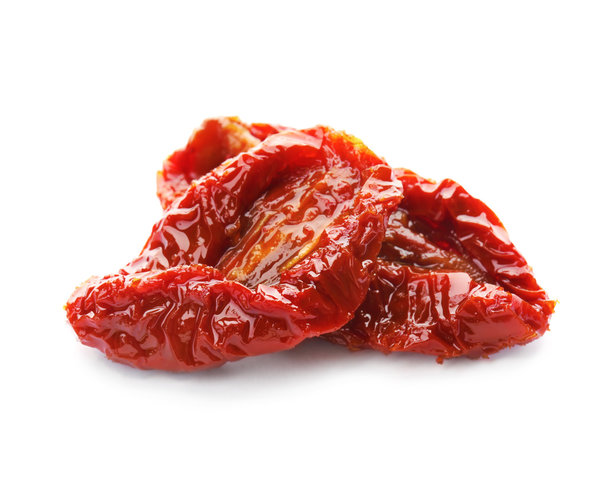
Studies have demonstrated that ultrasound application can reduce drying times by approximately 20-30% when combined with low air velocities and reduced temperatures. This technology proves versatile, enhancing not only convective drying but also freeze-drying and vacuum drying processes compared to conventional approaches.
Practical applications have shown promising results across various food products. Eggplant treated with ultrasound before drying experiences significantly reduced drying duration while maintaining microstructural integrity. Similarly, pre-dehydration ultrasound treatment of plums and grapes before convective drying improves both drying rates and kinetics while enhancing final product quality. The process increases mass transfer efficiency, leading to reduced energy consumption and improved moisture diffusivity.
Seaweed processing has also benefited from ultrasound pretreatment, showing enhanced color quality alongside reduced drying time and energy costs. Pre-treatment protocols typically result in weight reduction, accelerated water loss, decreased drying time, and increased solid gain in processed foods.
Research has extensively examined how varying ultrasound parameters—including treatment time, power, frequency, and amplitude—affect both pretreatment outcomes and ultrasound-assisted drying kinetics and quality. The interaction between ultrasound and food products can result in either moisture loss or gain, depending on the concentration gradient between the liquid medium and the product, combined with ultrasound effects.
While ultrasound generally increases drying rates, results can vary depending on specific conditions and products. Overall, ultrasound treatment typically reduces water activity, enhances product color, and minimizes nutrient losses, particularly helping preserve flavonoid content, antioxidant activity, vitamin C levels, and total phenolic compounds in processed foods (Kowalski et al., 2017; Zhang et al., 2020; Bhargava et al., 2021).
Ultrasound has been applied to improve the osmotic dehydration of fruits and vegetables, resulting in faster moisture transfer and increased sugar absorption. Additionally, airborne ultrasound has been explored as a method to enhance hot air drying of foods. When used with low air flow rates, it increased drying efficiency; however, at higher air flow rates, the resulting turbulence diminished the positive effects of ultrasound (McHugh, 2016).
Rehydration
In rehydration of dried foods, ultrasound speeds up absorption, making the process quicker and more efficient. These versatile applications underscore ultrasound’s transformative role in modern, sustainable food processing.
Food products undergo drying processes to extend their shelf life and require rehydration through hot water immersion before consumption. During rehydration, the product recovers its original characteristics and properties through three sequential stages: water absorption, swelling, and the dissolution of soluble compounds. The effectiveness of rehydration serves as an indicator of damage sustained during the dehydration process, with any alterations in the reconstituted product reflecting changes in composition and structure. The success of rehydration is closely linked to the degree of structural or cellular damage that occurred during dehydration, making pretreatments valuable for preventing shrinkage and improving product quality.
Ultrasound technology has emerged as an effective pretreatment method for drying, dehydration, and rehydration processes. Research has demonstrated that ultrasound-treated white cabbage samples showed improved rehydration rates compared to untreated controls, with similar positive effects observed in dried green peppers. The rehydration ratio, which measures a product’s water absorption capacity and depends on pore distribution within the microstructure, reached its highest value in sonicated shiitake mushrooms compared to other treatment methods including freezing, blanching, and osmotic dehydration.
Studies have shown that ultrasound treatment enhances rehydration ratios in various food products, including minced meat and dried carrots. The mechanism behind these improvements involves ultrasound-induced pore formation and increased internal stress within the food matrix. Kiwifruit treated with ultrasound demonstrated enhanced rehydration ratios and reduced rehydration times due to the formation of larger channels within the tissue structure.
Osmotically dehydrated samples subjected to ultrasound pretreatment exhibited superior rehydration characteristics attributed to the development of microporous channels. This effect has been consistently observed across different products, including strawberries and spine gourd, where ultrasound pretreatment resulted in significant improvements in rehydration kinetics.
The application of ultrasound extends to dried food grains, where it effectively reduces rehydration time. Research on mung bean hydration revealed that ultrasound treatment accelerated the hydration process while maintaining starch properties and improving germination rates for sprouting applications. Similar benefits were observed in sorghum, where ultrasound enhanced both water uptake rates and final moisture content levels (Wang et al., 2019; Tao et al., 2019; Bhargava et al., 2021).
Degassing and Deaeration (important for beer)
Air-coupled ultrasound generates acoustic oscillations that are effective in defoaming operations, such as those in soft drink production. These oscillations accelerate liquid drainage from foam bubbles, destabilizing them until they collapse. Proven benefits of this approach include fewer rejected units, faster filling rates, lower contamination risks, and higher permissible filling temperatures (McGill, 2021).
Ultrasound aids degassing and deaeration in beverages, preventing overflow and minimizing bottle breakage.

Liquids frequently contain dissolved gases in varying concentrations, including nitrogen, oxygen, and carbon dioxide. Traditional degassing approaches typically involve pressure reduction or boiling processes, though acoustic treatment offers an alternative method that achieves degassing with minimal temperature fluctuation. When ultrasound is applied to a liquid containing dissolved gases, the resulting gas bubbles undergo rapid vibration, causing them to migrate toward one another and coalesce into larger formations. These enlarged bubbles possess sufficient buoyancy to overcome gravitational forces and rise through the liquid medium to reach the surface.
This ultrasonic degassing technique finds practical application in the food industry, particularly in the processing of carbonated beverages such as beer prior to bottling operations, a process commonly referred to as defobbing. During carbonated beverage manufacturing, the primary objective involves removing gas from the liquid’s surface while preventing organoleptic deterioration that could result from oxygen exposure or bacterial contamination. The implementation involves attaching a transducer to the exterior surface of the container, which facilitates the degassing process. Compared to conventional mechanical agitation methods, the acoustic approach significantly reduces both container breakage rates and beverage spillage incidents.
In fermentation processes for alcoholic beverages including sake wine and beer, low-intensity ultrasound exposure has demonstrated the ability to reduce processing time by approximately thirty-six to fifty percent. Ultrasound-assisted degassing operations prove particularly effective and rapid in aqueous systems, though the removal of dissolved gases becomes considerably more challenging when dealing with highly viscous products such as molten chocolate, where the increased viscosity impedes bubble movement and coalescence (Tervo et al., 2006; Bhargava et al., 2021; Taha et al., 2023).
Commercial systems have been designed to manage excess foam generated during high-speed bottling of carbonated beverages, often using airborne ultrasonic emitters. These emitters operate in a rotating motion above the bottles, allowing for broad coverage of the defoaming area at varying speeds. The acoustic waves rapidly collapse the foam bubbles. Additionally, ultrasound can be applied to degas beverages before bottling (McHugh, 2016).
Increasing Extraction Yield
Ultrasound can enhance extraction processes by disrupting cell structures and improving mass transfer. It has been shown to increase extraction efficiency in various applications, such as juice recovery from pomace, antioxidant extraction from herbs, and oil extraction from seeds (McHugh, 2016).
Ultrasound enhances extraction efficiency from plant and food materials while using less solvent and time.

Extraction represents a fundamental unit operation essential for the effective separation and production of diverse oils, bioactive compounds, and molecules from their respective matrices. Traditional extraction methodologies, including Soxhlet extraction, heat reflux, and maceration, constitute the most commonly employed conventional techniques for extraction processes. However, these established methods present significant limitations, requiring substantial quantities of solvent and labor while being both energy, time and cost-intensive operations. In response, there has been a growing interest in more advanced extraction methods that are faster, more efficient, and use less solvent. Ultrasound-assisted extraction has emerged as a highly effective alternative that successfully addresses and overcomes the inherent drawbacks of traditional extraction technologies while simultaneously delivering enhanced yields (Maran et al., 2017; ).
The fundamental mechanism underlying ultrasound-assisted extraction involves ultrasonic (also known as acoustic) cavitation phenomena that effectively rupture cell walls, thereby significantly enhancing mass transfer during the extraction process. Additionally, the application of ultrasound creates microchannels within biological tissues, which substantially enhances solvent penetration into the solid matrix and consequently increases overall mass transfer efficiency. Through these mechanisms, ultrasound-aided extraction contributes to the efficient recovery of target compounds while requiring reduced time, energy, and solvent requirements. An additional advantage of this technology lies in its capability for low-temperature extraction, making it particularly suitable for temperature-sensitive food products that might otherwise be degraded through conventional high-temperature extraction methods (Maran et al., 2017).
UAE has gained popularity for its ability to rapidly extract high levels of bioactive compounds, such as phenolics and flavonoids, with greater efficiency than conventional techniques. It provides a cost-effective and efficient solution for maximizing the recovery of valuable compounds, particularly from plant-based residues that are typically discarded. This technique is increasingly being applied in biomedical and industrial fields due to its ability to unlock the therapeutic and functional properties of plant materials (Maran et al., 2017).
In this context, optimization of UAE conditions—such as extraction temperature, ultrasound power, extraction time, and solid–liquid ratio—has been used to achieve the highest possible yield of beneficial compounds. This systematic approach allows for improved efficiency and better utilization of natural resources (Maran et al., 2017).
High-frequency, low-power ultrasound has been applied in food processing to generate standing waves, known as megasonics, which enhance oil extraction from olives. While this method improves oil yield, it can also have detrimental effects on beneficial compounds such as anthocyanins and phenolics, as well as on antioxidant activity in berry extracts. This negative impact is likely due to the increased production of free radicals at higher ultrasound frequencies, which can break down phenolic compounds and diminish their antioxidant effectiveness (Dzah et al., 2020). To overcome this problem, pulse mode is employed; described in the paragraph below.
Ultrasonic-assisted extraction is typically performed under continuous wave mode, while pulse mode technique is strategically employed for long-term extraction processes. This extraction methodology is generally preferred for the recovery of bioactive compounds due to its remarkable versatility, ease of operation, and significant scope for industrial application. The technique offers the distinct advantage of utilizing reduced solvent quantities while maintaining the biological activity of extracted compounds. However, the extraction efficiency is substantially influenced by several critical parameters, including ultrasonic power, frequency, solvent selection, and the matrix-to-solvent ratio employed during the extraction process (Hashemi et al., 2018; Bhargava et al., 2021).
Recent research has demonstrated extensive application of ultrasonic-assisted extraction for recovering bioactive compounds from both food materials and food waste products. In one notable study, researchers extracted anthocyanins from purple yam using an ultrasonic homogenizer operating at 750 W in pulse mode. Their findings revealed that extraction performed at 30°C for 10 minutes resulted in significantly higher anthocyanin content compared to conventional extraction methods. Similarly, bioactive compounds were successfully extracted from grape pomace using ultrasound at varying power levels of 250, 350, and 450 W for durations of 5, 10, and 15 minutes. The results demonstrated that maximum extraction efficiency, achieving 45% anthocyanin recovery, occurred at 10 minutes of exposure time.
Further research has focused on extracting phenolics and anthocyanins from jabuticaba peels using an ultrasonic water bath operating at frequencies of 25 and 40 kHz. The optimal extraction conditions were achieved when samples were exposed for 10 minutes at 25 kHz frequency. Additionally, bioactive compounds have been successfully extracted from bitter gourd using ultrasound technology, employing various combinations of time, temperature, and solvent-to-solid ratios with water serving as the extraction solvent. The research findings indicated that maximum extraction efficiency was achieved at 68.4°C with a 12-minute exposure time, demonstrating the importance of optimizing multiple parameters simultaneously to achieve optimal extraction results (da Rocha & Noreña 2020; Dzah et al., 2020; Bhargava et al., 2021).
Interested in applications of Ultrasound in olive oil production? Read here.
Cutting
One of the most widespread applications of ultrasound in food processing is cutting. Ultrasonic cutting combines high-frequency vibrations with traditional blade motion to enhance cutting performance. The rapidly vibrating blade causes alternating contact and separation between the blade and the food, producing a high rate of deformation with minimal actual distortion. This reduces cutting force, minimizes cracking and crumbling, and yields a smooth cutting surface. An additional benefit is that food does not adhere to the blade, making ultrasonic cutting especially effective for sticky items. It is also highly suitable for slicing frozen, delicate, and non-uniform foods (McHugh, 2016).
In cutting soft foods such as cheese and bread, ultrasound enables clean, precise cuts with minimal waste.

Ultrasound-assisted cutting utilizes high-frequency vibrations delivered through ultrasonic probes or acoustic equipment, which oscillate longitudinally at specific ultrasonic frequencies. The cutting action is primarily driven by cavitation and/or the high-frequency vibration of the cutting blades. This innovative method enhances processing efficiency, improves final product quality, reduces waste, and lowers production costs by increasing cutting precision. The effectiveness of ultrasonic cutting depends on the type and condition of the food, including whether it is fresh, thawed, or frozen. The vibrations help keep the blade clean by preventing food from sticking, which improves hygiene and limits microbial growth on the cutting surface. This technology has been applied to various food products, especially those that are heterogeneous, delicate, sticky, or otherwise difficult to cut—such as cheese, cakes, bread, pastries, and biscuits. The improved accuracy reduces losses from crumbling or cracking and enables better standardization of portion size and weight. Overall, ultrasound-assisted cutting presents a highly effective approach in modern food processing by enhancing cutting quality, minimizing deformation, and reducing waste (Taha et al., 2023).
Ultrasonic technology has revolutionized food processing by significantly enhancing cutting operations throughout the industry. This innovative acoustic equipment introduces a groundbreaking approach to slicing and cutting diverse food products during manufacturing processes, resulting in substantial reductions in product waste while simultaneously lowering maintenance expenses.
The cutting implements utilized in ultrasonic systems are manufactured in numerous configurations, with each design functioning essentially as an ultrasonic horn that forms an integral component of the complete ultrasonic resonating assembly. This cutting methodology, which operates through the strategic application of ultrasonic vibrations, directly competes with established cutting technologies including traditional knife and saw-based techniques as well as high-velocity water jet cutting systems. One of the most significant advantages of ultrasonic cutting lies in its remarkably low energy requirements, making it an economically viable and environmentally conscious choice for food processing operations.
The performance characteristics and effectiveness of ultrasonic cutting systems are heavily influenced by both the specific conditions and inherent properties of the food products being processed, particularly whether the materials are in a thawed or frozen state. This technology has found particularly widespread application in the processing of delicate and heterogeneous food items, including pastries, cakes, various bakery products, cheese, and other sticky or adhesive food substances that traditionally present challenges for conventional cutting methods.
Beyond its cutting efficiency, ultrasonic technology contributes significantly to improved hygiene standards within food processing environments. The continuous ultrasonic vibrations effectively prevent product adhesion to the cutting blades, thereby substantially reducing the potential for microorganism development on product surfaces. This phenomenon creates what is essentially an automatic cleaning effect, where the vibrating blades maintain their cleanliness throughout the cutting process without requiring frequent manual cleaning interventions.
The precision and consistency achieved through ultrasonic cutting operations result in measurable improvements in product quality and manufacturing efficiency. The repetitive nature and exceptional accuracy of ultrasonic cuts lead to significant reductions in product losses that typically occur due to cracking, crumbling, or other forms of damage associated with conventional cutting methods. Additionally, this enhanced cutting precision enables superior weight standardization and more consistent portion dimensions, contributing to better product uniformity and reduced material waste throughout the production process (Liu et al., 2020; Bhargava et al., 2021).
Meat industry
Low-intensity ultrasound has become widely recognized for its ability to enhance taste, tenderness, and overall quality characteristics that are crucial for achieving consumer satisfaction and market acceptance.

Contemporary research has revealed promising applications for high-intensity ultrasound in fresh meat processing, encompassing a broad range of applications including meat tenderization, brining processes, cooking enhancement, thawing acceleration, freezing optimization, and bacterial inhibition. The most current scientific investigations examining the effects of high-intensity ultrasound on meat products have concentrated primarily on bovine muscle tissues, with particular emphasis on the Semitendinosus and Longissimus muscles. These comprehensive studies have focused extensively on analyzing microscopic structural changes, alterations in salt dynamics, water behavior modifications, and textural transformations within meat tissue following high-intensity ultrasound application.
Beyond structural considerations, oxidative stability, sensory characteristics, and color properties represent critical meat quality attributes that are significantly influenced by ultrasound treatment. Research has documented remarkable effects of ultrasound on meat tenderness and water dynamics within tissue structures. Analysis of pH effects has revealed that ultrasound treatment can cause meat pH to increase from initial pre-rigor mortis values when subjected to specific treatment parameters. This pH elevation has been attributed to the release of ions into the cytoplasm from cellular structures, or alternatively, to modifications in protein structure that result in changes to ionic functionality arrangements, ultimately leading to pH variations in muscle tissue.
Ultrasound technology has proven instrumental in enhancing meat tenderness while simultaneously reducing aging periods, achieving these improvements without negatively impacting other quality parameters. This tenderization effect results from the disruption of myofibrillar protein structures, fragmentation of collagen macromolecules, protein migration phenomena, and other mechanisms that accelerate proteolysis processes. These changes are accompanied by increased degradation of troponin-T and desmin proteins when meat undergoes ultrasonic treatment. The cavitation process generates powerful shock waves that effectively damage muscular structures, contributing to the observed tenderization effects.
High-intensity ultrasound significantly increases the absorption capacity for both water and sodium chloride in cured meat products. The spacing between muscle fibers demonstrates a direct proportional relationship to ultrasonic intensity, while high salt concentrations show strong correlations with myofibril rupture. Meat marinades typically employ salts in both wet and dry forms, and research has shown that the intensity of applied ultrasound directly determines its effectiveness during wet marination processes in pork. Ultrasound treatment results in bubble formation that impacts tissue structures, leading to microinjection effects that drive brine solution into the meat product. This mechanism explains the observed increases in salt content within ultrasound-treated meat.
The water dynamics of ultrasound-treated meat remains a subject of scientific debate, as different researchers have reported conflicting results. Some studies document increases in water holding capacity, while others report decreases in this parameter. These variations likely result from differences in ultrasound application methods, treatment duration, and intensity levels employed across different experimental protocols.
Meat color represents a critical attribute for consumer acceptance, with cherry red coloration being particularly desirable in fresh beef products. Some researchers have suggested that ultrasound treatment produces no significant effect on meat color, arguing that the heat generation accompanying treatment is insufficient to cause protein or pigment denaturation. However, contrasting studies have found that ultrasound-treated meat exhibits color variations characterized by lighter appearance, reduced redness, increased orangish-yellow tones, and decreased brightness compared to control samples. These findings suggest that ultrasound enhances overall color variations while limiting oxymyoglobin and metmyoglobin formation.
Ultrasound contributes significantly to antimicrobial effects and extends the shelf life of meat products through cavitation processes occurring in liquid media. The antimicrobial effectiveness depends on several factors including contact time with microorganisms, specific microorganism types, food quantity and composition, and treatment temperature conditions. Ultrasound technology also finds valuable application in meat freezing processes, where it can induce nucleation at elevated temperatures during freezing procedures. This capability enables control over ice crystal distribution patterns, crystal size management, and time requirements in frozen food products. Ultrasonication can additionally cause ice crystal fragmentation, resulting in increased nuclei numbers and reduced crystal sizes, further enhancing freezing process efficiency and final product quality (Alarcon-Rojo et al., 2019; Bhargava et al., 2021; Soltani Firouz et al., 2022; Taha et al., 2023; Prempeh et al., 2025).
The application of ultrasound technology has proven effective in enhancing the textural properties, quality parameters, and microbiological safety of meat but also seafood (McHugh, 2016; Prempeh et al., 2025).
Tenderisation
Meat tenderness is influenced by the size of longitudinally aligned muscle fiber bundles, which are separated by connective tissue structures known as the perimysium. Tenderization primarily results from the mechanical disruption of myofibrillar proteins, fragmentation of collagen macromolecules, and redistribution of proteins and other cellular components. Application of ultrasound—either via immersion baths or direct probes—accelerates protein breakdown and denaturation processes. This includes the degradation of structural proteins such as desmin and troponin-T, along with the fracturing of myofibers at the Z-lines and I-bands.
Ultrasound treatment is also associated with enhanced proteolytic activity, often initiated by the release of intracellular calcium ions or lysosomal enzymes like cathepsins, which activate calpain enzymes and reduce the required aging time for meat. While ultrasound significantly affects the thermal properties of collagen, it does not alter the overall amount of insoluble collagen. Studies on ultrasonic treatment during cooking have shown improved collagen solubility, especially when using baths operating at 40 kHz and 1500 W.
As a result, ultrasound technology has been demonstrated to enhance various physical properties of meat products, including water-holding capacity, cohesiveness, and overall tenderness. Both physical and biochemical modifications occur on the surface and within the structure of the sonicated meat, contributing to these improvements in texture and quality (Taha et al., 2023).
Applications of Ultrasound-Assisted Freezing in the Meat Industry
Ultrasound-assisted freezing represents a revolutionary advancement in meat preservation technology. This innovative approach combines traditional freezing methods with high-intensity ultrasound waves. The technique offers significant improvements over conventional freezing processes (Soltani Firouz et al., 2022).
Chicken Breast Processing
Chicken breast meat benefits tremendously from ultrasound-assisted immersion freezing. Researchers utilize ultrasonic bath equipment for optimal results. The ideal conditions involve 165 watts of power at 30 kilohertz frequency. Treatment duration lasts exactly eight minutes. The process employs a precise 30-second on and 30-second off cycle.
This method produces remarkably smaller ice crystals throughout the meat structure. The enhanced freezing rate accelerates the entire preservation process. Thawing losses decrease substantially compared to traditional methods. Cooking losses also show significant reduction. The mobility of immobilized water decreases markedly. Free water movement becomes more restricted. Protein thermal stability remains intact throughout the process (Soltani Firouz et al., 2022).
Ice crystal formation becomes smaller and more uniform. Muscle tissue integrity remains well-preserved throughout processing. Thawing losses decrease compared to conventional methods. Cooking losses also show improvement. Excessive ultrasonic power produces counterproductive effects. Higher power levels actually create larger ice crystals (Soltani Firouz et al., 2022).
Pork Muscle Treatment
Porcine longissimus muscles respond excellently to ultrasound-assisted immersion freezing. The pilot-scale ultrasonic bath system uses specialized coolant. The coolant mixture contains 95% ethanol and 5% fluoride. Power settings reach 180 watts at 30 kilohertz frequency.
Treatment begins when meat temperature drops to zero degrees Celsius. The 30-second on and 30-second off cycle continues for eight minutes. Samples receive ultrasound exposure at 30-second intervals. This prevents excessive heat generation from continuous treatment.
Ice crystal size reduces dramatically with uniform distribution patterns. Thawing loss decreases significantly compared to traditional methods. Immobilized water mobility becomes more restricted. Free water loss also shows marked improvement.
Higher ultrasound intensities beyond optimal values create problems. Excessive power generates heat at the meat surface. This heat generation limits the achievement of lower final temperatures. The surface heating effect counteracts the intended cooling benefits (Soltani Firouz et al., 2022).
Technical Considerations
Ultrasound-assisted freezing requires precise parameter control. Power levels must remain within optimal ranges. Frequency settings need careful calibration for each meat type. Pulse timing prevents unwanted heat generation. Coolant composition affects overall effectiveness.
Equipment selection plays a crucial role in success. Pilot-scale ultrasonic bath systems offer consistent results. Immersion freezing methods provide uniform treatment. Bath equipment ensures proper wave distribution throughout the meat (Soltani Firouz et al., 2022).
Quality Improvements
Ice crystal formation represents the most significant improvement. Smaller crystals cause less cellular damage during freezing. Uniform distribution prevents localized tissue disruption. Crystal size directly affects meat quality after thawing.
Water retention properties show marked enhancement. Immobilized water remains better contained within muscle fibers. Free water loss decreases during storage and processing. Overall moisture retention improves significantly.
Protein stability benefits from ultrasound treatment. Thermal stability remains intact throughout the process. Protein denaturation decreases compared to conventional methods. Structural integrity of muscle proteins improves (Soltani Firouz et al., 2022).
Processing Efficiency
Freezing rates increase substantially with ultrasound assistance. Faster processing reduces energy consumption over time. Equipment throughput improves with shorter cycle times. Overall production efficiency gains significant advantages.
Heat transfer enhancement occurs through cavitation effects. Ultrasound waves create microscopic bubbles in the liquid medium. Bubble collapse generates localized heating and cooling effects. These effects accelerate the overall freezing process (Soltani Firouz et al., 2022).
Industry Implementation
Commercial applications require careful system design. Equipment must handle industrial-scale production volumes. Power requirements need adequate electrical infrastructure. Maintenance protocols ensure consistent performance over time.
Cost considerations include initial equipment investment. Operating expenses involve electricity consumption for ultrasound generation. Coolant costs add to overall processing expenses. However, improved product quality often justifies additional costs.
Training requirements involve operator education on ultrasound principles. Safety protocols protect workers from ultrasonic exposure. Equipment maintenance requires specialized technical knowledge. Quality control procedures ensure consistent results (Soltani Firouz et al., 2022).
Future Developments
Research continues into optimal parameter combinations for different meat types. New equipment designs improve efficiency and reduce costs. Advanced control systems provide better process monitoring. Automation reduces labor requirements and human error.
Integration with existing processing lines requires careful planning. Retrofit options allow upgrading current facilities. New installations can incorporate ultrasound systems from the beginning. Hybrid approaches combine multiple preservation technologies.
Ultrasound-assisted freezing offers substantial benefits for meat processing operations. Ice crystal control improves product quality significantly. Water retention properties enhance consumer satisfaction. Processing efficiency gains provide economic advantages. However, parameter optimization remains crucial for success. Excessive power levels can counteract intended benefits. Proper equipment selection ensures consistent results. Industry adoption continues growing as technology matures. Future developments promise even greater improvements in meat preservation quality and efficiency (Soltani Firouz et al., 2022).
Seafood Industry
The seafood processing sector employs ultrasound technology across multiple operations, particularly in freezing and thawing procedures. This technology promotes consistent thermal distribution throughout the process, resulting in reduced processing durations while maintaining the cellular structure and texture quality of fish products.
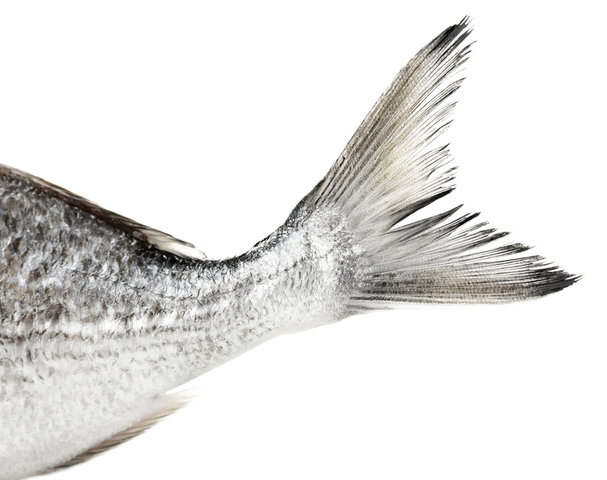
Research studies have demonstrated that the application of dual-frequency ultrasound technology during the thawing process of fish yields notable enhancements in several key quality parameters. When fish samples were subjected to dual-frequency ultrasound treatment throughout the thawing procedure, researchers observed substantial improvements in the specimens’ ability to retain water, leading to better moisture preservation within the tissue structure. Additionally, the ultrasound-assisted thawing method resulted in more consistent textural characteristics throughout the fish, creating greater uniformity in the final product’s mouthfeel and structural integrity. Perhaps most significantly, the dual-frequency ultrasound approach proved effective in maintaining higher levels of protein content, suggesting that this thawing technique helps preserve the nutritional value and structural proteins that might otherwise be compromised during conventional thawing methods. Also, examples like cod blocks thawed through ultrasound-assisted water immersion exhibited a reduction in thawing time of about 71% (Bhargava et al., 2021; Prempeh et al., 2025).
Fruits and vegetables
Preservation
Ultrasound is applied in the industrial processing of fruits and vegetables for several purposes, including cleaning, microbial load reduction, pesticide removal, and enhancing extraction of bioactive compounds. It’s a non-thermal processing technique that can improve both product quality and safety.
The application of ultrasonic technology has been shown to effectively prolong the shelf life of postharvest fruits and vegetables while preserving their quality. Ultrasonic treatment can help reduce microbial load on fruits and vegetables, reducing microbial spoilage and decay (Jiang et al., 2020).
It also inhibits the activity of enzymes such as polyphenol oxidase (PPO), peroxidase (POD), and those involved in cell wall degradation. Additionally, ultrasound helps preserve the physicochemical properties of produce and enhances the stability of cell wall polysaccharides (Jiang et al., 2020).
Washing Efficiency (Pesticides)
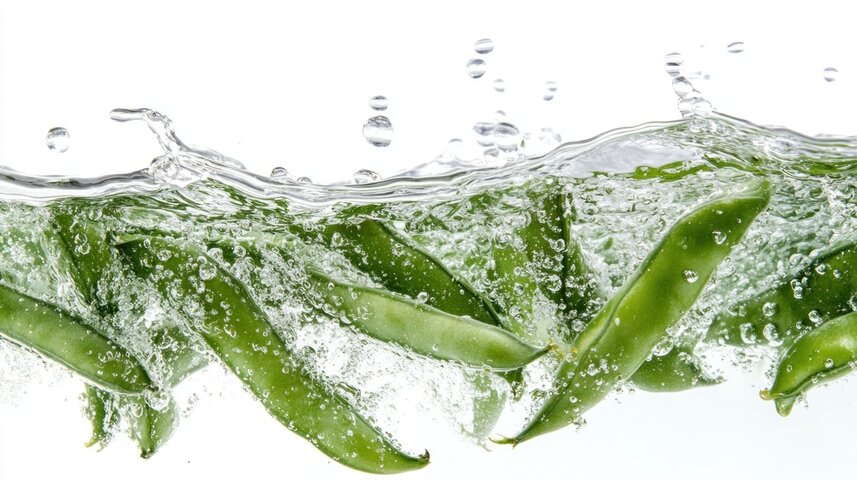
Ultrasound-Assisted Cleaning: ultrasound technology is being increasingly applied in industrial settings for pesticide removal from fruits and vegetables. It is a promising green technology that offers a more effective and environmentally friendly alternative to conventional washing methods.
Pesticide residues in food, particularly in fruits and vegetables, pose significant health risks, especially since these items are often consumed raw or with minimal processing. Consequently, effective removal of pesticide residues from agricultural products is essential. Over the years, various methods such as washing with different agents, peeling, salting, cooking, and chemical oxidation have been employed to reduce pesticide levels. However, these traditional techniques have notable limitations. For example, simple tap water washing is often ineffective; thermal treatments may degrade sensitive nutrients like vitamins; and chemical agents can produce harmful by-products, leading to secondary contamination (Jiang et al., 2020; Yuan et al., 2021).
As an alternative, ultrasonic technology has shown considerable promise in removing pesticide residues from food. The mechanism involves disrupting the interactions between pesticide molecules and the surface of produce, effectively detaching and removing contaminants. The effectiveness of ultrasound surpasses that of conventional methods, with significantly higher removal rates reported across different pesticide types (Jiang et al., 2020; Yuan et al., 2021).
The efficiency of ultrasound-assisted pesticide removal is influenced by various factors, including the properties of the pesticide (such as solubility and volatility), ultrasound parameters (frequency and intensity), and environmental conditions (such as pH and temperature). Proper adjustment of these parameters—frequency, intensity, treatment duration, and temperature—can optimize the removal process, allowing for rapid pesticide dissipation while preserving the nutritional and sensory quality of the food (Jiang et al., 2020; Yuan et al., 2021).

Some reference to mycotoxins and heavy metals has been reported only at experimental level (Yuan et al., 2021).
Dairy industry
Ultrasound technology has several established applications in the dairy industry, primarily focused on enhancing processing techniques, improving product quality, and ensuring food safety. These include homogenization, emulsification, viscosity reduction, fermentation enhancement, and microbial inactivation. More recently, research has shifted toward utilizing ultrasound to develop functional dairy products, such as probiotics, by improving their viability (Guimarães et al., 2021).
Here’s a more detailed look at these applications:
Homogenization and Emulsification:
- Ultrasound can effectively reduce the size of fat globules in milk, leading to better homogenization and improved stability of dairy products like milk and ice cream.
- This also enhances the emulsification properties of milk, which is important for various dairy applications (Carrillo-Lopez et al., 2021; Guimarães et al., 2021).
Viscosity Reduction:
- Ultrasound can be used to reduce the viscosity of dairy products, making them easier to handle and process.
- This is particularly useful in applications like yogurt production, where lower viscosity can lead to smoother textures (Carrillo-Lopez et al., 2021; Guimarães et al., 2021).
Yogurt improvement
- Enhances homogenization and emulsification efficiency by decreasing the diameter of milk fat globules
- Improves viscosity and water retention capacity by minimizing syneresis
- Strengthens gel structure and textural firmness through enhanced coagulation behavior of whey proteins
- Shortens fermentation duration by promoting more efficient lactose hydrolysis
- Supports the growth and activity of probiotic microorganisms (Akdeniz & Akalın, 2019; Guimarães et al., 2021).
Ice Cream
- Promotes the formation of smaller ice crystals, leading to improved texture and mouthfeel
- Reduces overall freezing time, enhancing process efficiency
- Minimizes surface incrustation on freezing equipment, aiding in cleanability and thermal conductivity maintenance (Akdeniz & Akalın, 2019).
Fermentation Enhancement:
Ultrasound reduces fermentation time or dairy products.
- Ultrasound can stimulate microbial activity, which can be beneficial in fermentation processes.
- This can lead to faster and more efficient fermentation, improving the sensory properties of products like yogurt and other fermented beverages (Carrillo-Lopez et al., 2021).
Microbial Inactivation:
- High-intensity ultrasound can effectively inactivate spoilage microorganisms and pathogens in dairy products, contributing to food safety.
- This can be an alternative or complementary method to traditional pasteurization techniques.
Other Applications:
- Whey Ultrafiltration Enhancement:Ultrasound can improve the efficiency of whey ultrafiltration by reducing membrane fouling.
- Extraction of Functional Foods:Ultrasound can be used to extract valuable components from dairy products, such as bioactive peptides or probiotics.
- Crystallization Control:Ultrasound can be applied to control the crystallization of lactose and ice in dairy products, affecting their texture and stability.
- Cheese Block Cutting:Ultrasound can be used to cut cheese blocks with precision and efficiency.
- Cleaning and Sanitation:Ultrasonic baths are used for cleaning and sanitizing equipment in the dairy industry, removing residues and contaminants (Chandrapala, 2015; Carrillo-Lopez et al., 2021; Guimarães et al., 2021).
To conlude High-intensity ultrasound (HIU) offers a promising technological advancement for the dairy industry, with the ability to significantly alter the components of milk. This technology enhances key processes such as gelation and reduces syneresis during cheese production, leading to improved product quality. Additionally, ultrasound enables the manipulation of dairy texture and can shorten fermentation time, increasing production efficiency. The effectiveness of these improvements is influenced by factors such as the duration, frequency, and intensity of the ultrasound treatment (Carrillo-Lopez et al., 2021).
Homogenizing/Emulsifying
Ultrasound supports emulsification of products like mayonnaise by improving rheological properties and stability with less time.

Ultrasound has proven to be effective in aiding emulsification by creating instabilities at the oil-water boundary and generating turbulence through acoustic cavitation. Applying ultrasound during homogenization accelerates the decrease in particle size. Additionally, ultrasonic emulsification offers the benefit of being suitable for continuous in-line processing of food products like fruit juice, milk, mayonnaise, and ketchup (McHugh, 2016).
Conclusion and Future prospects
Ultrasonic processing is an affordable technology with a wide variety of promising uses in food production. Emerging applications include accelerating the aging of wines and whiskies to develop smoother flavors, improving fermentation processes, and reducing the resting time needed for bread dough. Although many of these uses are not yet commercially adopted, it is expected that fully automated ultrasound systems will become increasingly common in food manufacturing, enhancing product quality and safety while also conserving energy (McHugh, 2016).
Ultrasound technology offers a sustainable and efficient alternative to traditional heat-based food processing methods. It enhances operations such as meat tenderization, fruit and vegetable firmness, dough mixing, and microbial inactivation, while preserving food quality.
It is effective in homogenization, sterilization, pasteurization, and emulsification, operating at lower temperatures due to improved heat and mass transfer. This improves efficiency and reduces thermal damage to food products.
Ultrasound also delivers operational benefits: it speeds up filtration, extends filter lifespan, reduces downtime, enhances freezing through smaller crystal formation, and accelerates drying and thawing—streamlining production and increasing throughput.
These rapid processes reduce costs, eliminate unnecessary steps, and boost yields, improving economic viability. Ultrasound preserves nutritional value and enhances texture and firmness, extending shelf life and meeting consumer expectations.
Scientific studies support ultrasound as a reliable alternative to conventional methods. Its integration with other technologies offers further quality gains. Despite its benefits, adoption remains limited due to lack of understanding and resistance to change. Further research and optimization are needed for full-scale industrial application.
If you represent a food company seeking grants or funding opportunities, contact FoodScience for expert support and guidance.
Reference
Akdeniz, V., & Akalın, A. S. (2019). New approach for yoghurt and ice cream production: High-intensity ultrasound. Trends in Food Science & Technology, 86, 392–398. https://doi.org/10.1016/j.tifs.2019.02.046
Alarcon-Rojo, A. D., Carrillo-Lopez, L. M., Reyes-Villagrana, R., Huerta-Jiménez, M., & Garcia-Galicia, I. A. (2019). Ultrasound and meat quality: A review. Ultrasonics sonochemistry, 55, 369-382.
Başlar, M., Toker, Ö.S., Karasu, S., Tekin, Z.H., Yildirim, H.B. (2015). Ultrasonic Applications for Food Dehydration. In: Ashokkumar, M. (eds) Handbook of Ultrasonics and Sonochemistry. Springer, Singapore. https://doi.org/10.1007/978-981-287-470-2_64-1
Bhargava, N., Mor, R. S., Kumar, K., & Sharanagat, V. S. (2021). Advances in application of ultrasound in food processing: A review. Ultrasonics Sonochemistry, 70, 105293. https://doi.org/10.1016/j.ultsonch.2020.105293
Carrillo-Lopez, L. M., Garcia-Galicia, I. A., Tirado-Gallegos, J. M., Sanchez-Vega, R., Huerta-Jimenez, M., Ashokkumar, M., & Alarcon-Rojo, A. D. (2021). Recent advances in the application of ultrasound in dairy products: Effect on functional, physical, chemical, microbiological and sensory properties. Ultrasonics Sonochemistry, 73, 105467. https://doi.org/10.1016/j.ultsonch.2021.105467.
Carrillo-Lopez, L. M., Garcia-Galicia, I. A., Tirado-Gallegos, J. M., Sanchez-Vega, R., Huerta-Jimenez, M., Ashokkumar, M., & Alarcon-Rojo, A. D. (2021). Recent advances in the application of ultrasound in dairy products: Effect on functional, physical, chemical, microbiological and sensory properties. Ultrasonics Sonochemistry, 73, 105467. https://doi.org/10.1016/j.ultsonch.2021.105467
Chandrapala, J. (2015). Ultrasound Processing of Milk and Dairy Products. In: Ashokkumar, M. (eds) Handbook of Ultrasonics and Sonochemistry. Springer, Singapore. https://doi.org/10.1007/978-981-287-470-2_66-1
Chemat, F., & Khan, M. K. (2011). Applications of ultrasound in food technology: Processing, preservation and extraction. Ultrasonics sonochemistry, 18(4), 813-835.
Chen, F., Zhang, M., & Yang, C.-h. (2020). Application of ultrasound technology in processing of ready-to-eat fresh food: A review. Ultrasonics Sonochemistry, 63, 104953. https://doi.org/10.1016/j.ultsonch.2019.104953
da Rocha, C. B., & Noreña, C. P. Z. (2020). Microwave-assisted extraction and ultrasound-assisted extraction of bioactive compounds from grape pomace. International Journal of Food Engineering, 16(1-2).
Dzah, C. S., Duan, Y., Zhang, H., Wen, C., Zhang, J., Chen, G., & Ma, H. (2020). The effects of ultrasound assisted extraction on yield, antioxidant, anticancer and antimicrobial activity of polyphenol extracts: A review. Food bioscience, 35, 100547.
Fu, X., Belwal, T., Cravotto, G., & Luo, Z. (2020). Sono-physical and sono-chemical effects of ultrasound: Primary applications in extraction and freezing operations and influence on food components. Ultrasonics Sonochemistry, 60, 104726.
Guimarães, J. T., Scudino, H., Ramos, G. L. P. A., Oliveira, G. A. R., Margalho, L. P., Costa, L. E. O., Freitas, M. Q., Duarte, M. C. K. H., Sant’Ana, A. S., & Cruz, A. G. (2021). Current applications of high-intensity ultrasound with microbial inactivation or stimulation purposes in dairy products. Current Opinion in Food Science, 42, 140–147. https://doi.org/10.1016/j.cofs.2021.06.004
Hashemi, S. M. B., Khaneghah, A. M., Koubaa, M., Barba, F. J., Abedi, E., Niakousari, M., & Tavakoli, J. (2018). Extraction of essential oil from Aloysia citriodora Palau leaves using continuous and pulsed ultrasound: Kinetics, antioxidant activity and antimicrobial properties. Process Biochemistry, 65, 197–204. https://doi.org/10.1016/j.procbio.2017.10.020
Jiang, Q., Zhang, M., & Xu, B. (2020). Application of ultrasonic technology in postharvested fruits and vegetables storage: A review. Ultrasonics Sonochemistry, 69, 105261. https://doi.org/10.1016/j.ultsonch.2020.105261.
Kowalski, S. J., Mierzwa, D., & Stasiak, M. (2017). Ultrasound-assisted convective drying of apples at different process conditions. Drying Technology, 35(8), 939-947.
Legay, Mathieu, Gondrexon, Nicolas, Le Person, Stéphane, Boldo, Primius, Bontemps, André, Enhancement of Heat Transfer by Ultrasound: Review and Recent Advances, International Journal of Chemical Engineering, 2011, 670108, 17 pages, 2011. https://doi.org/10.1155/2011/670108.
Li, D., Zhao, H., Muhammad, A. I., Song, L., Guo, M., & Liu, D. (2020). The comparison of ultrasound-assisted thawing, air thawing and water immersion thawing on the quality of slow/fast freezing bighead carp (Aristichthys nobilis) fillets. Food chemistry, 320, 126614.
Liu, K., Wang, H., Zhang, X., Liu, K., Wang, H., & Zhang, X. (2020). Ductile mode cutting characteristics. Ductile mode cutting of brittle materials, 39-53.
Maran, J. P., Manikandan, S., Vigna Nivetha, C., & Dinesh, R. (2017). Ultrasound assisted extraction of bioactive compounds from Nephelium lappaceum L. fruit peel using central composite face centered response surface design. Arabian Journal of Chemistry, 10(Supplement 1), S1145–S1157. https://doi.org/10.1016/j.arabjc.2013.02.007
McGill, R. (2021). How power ultrasound helps you improve processing. Campden BRI Blog. Retrieved June 18, 2025, from Campden BRI website: https://www.campdenbri.co.uk/blogs/power-ultrasound-processing.php
McHugh, T. (2016). Putting ultrasound to use in food processing. Food Technology, 70(12). Institute of Food Technologists.
Prempeh, N. Y. A., Nunekpeku, X., Murugesan, A., & Li, H. (2025). Ultrasound in the Food Industry: Mechanisms and Applications for Non-Invasive Texture and Quality Analysis. Foods, 14(12), 2057. https://doi.org/10.3390/foods14122057
Qiu, L., Zhang, M., Chitrakar, B., & Bhandari, B. (2020). Application of power ultrasound in freezing and thawing processes: Effect on process efficiency and product quality. Ultrasonics Sonochemistry, 68, 105230. https://doi.org/10.1016/j.ultsonch.2020.105230.
Soltani Firouz, M., Sardari, H., Alikhani Chamgordani, P., & Behjati, M. (2022). Power ultrasound in the meat industry (freezing, cooking and fermentation): Mechanisms, advances and challenges. Ultrasonics Sonochemistry, 86, 106027. https://doi.org/10.1016/j.ultsonch.2022.106027.
Taha, A., Mehany, T., Pandiselvam, R., Anusha Siddiqui, S., Mir, N. A., Malik, M. A., … Hu, H. (2023). Sonoprocessing: mechanisms and recent applications of power ultrasound in food. Critical Reviews in Food Science and Nutrition, 64(17), 6016–6054. https://doi.org/10.1080/10408398.2022.2161464
Tao, Y., Han, M., Gao, X., Han, Y., Show, P. L., Liu, C., … & Xie, G. (2019). Applications of water blanching, surface contacting ultrasound-assisted air drying, and their combination for dehydration of white cabbage: Drying mechanism, bioactive profile, color and rehydration property. Ultrasonics sonochemistry, 53, 192-201.
Tervo, J. T., Mettin, R., & Lauterborn, W. (2006). Bubble cluster dynamics in acoustic cavitation. Acta acustica united with acustica, 92(1), 178-180.
Wang, J., Xiao, H. W., Ye, J. H., Wang, J., & Raghavan, V. (2019). Ultrasound pretreatment to enhance drying kinetics of kiwifruit (Actinidia deliciosa) slices: pros and cons. Food and bioprocess technology, 12, 865-876.
Yao, Y. (2016). Enhancement of mass transfer by ultrasound: Application to adsorbent regeneration and food drying/dehydration. Ultrasonics Sonochemistry, 31, 512–531.
Yuan, S., Li, C., Zhang, Y., Yu, H., Xie, Y., Guo, Y., & Yao, W. (2021). Ultrasound as an emerging technology for the elimination of chemical contaminants in food: A review. Trends in Food Science & Technology, 109, 374–385. https://doi.org/10.1016/j.tifs.2021.01.048.
Zhang, Y., & Abatzoglou, N. (2020). Fundamentals, applications and potentials of ultrasound-assisted drying. Chemical Engineering Research and Design, 154, 21-46.
Zhu, X., Das, R. S., Bhavya, M. L., Garcia-Vaquero, M., & Tiwari, B. K. (2024). Acoustic cavitation for agri-food applications: Mechanism of action, design of new systems, challenges and strategies for scale-up. Ultrasonics Sonochemistry, 105, 106850. https://doi.org/10.1016/j.ultsonch.2024.106850
Zhu, Z., Zhang, P., & Sun, D. W. (2020). Effects of multi-frequency ultrasound on freezing rates and quality attributes of potatoes. Ultrasonics sonochemistry, 60, 104733.



 FFFoodScience || Future-Forward Food Science