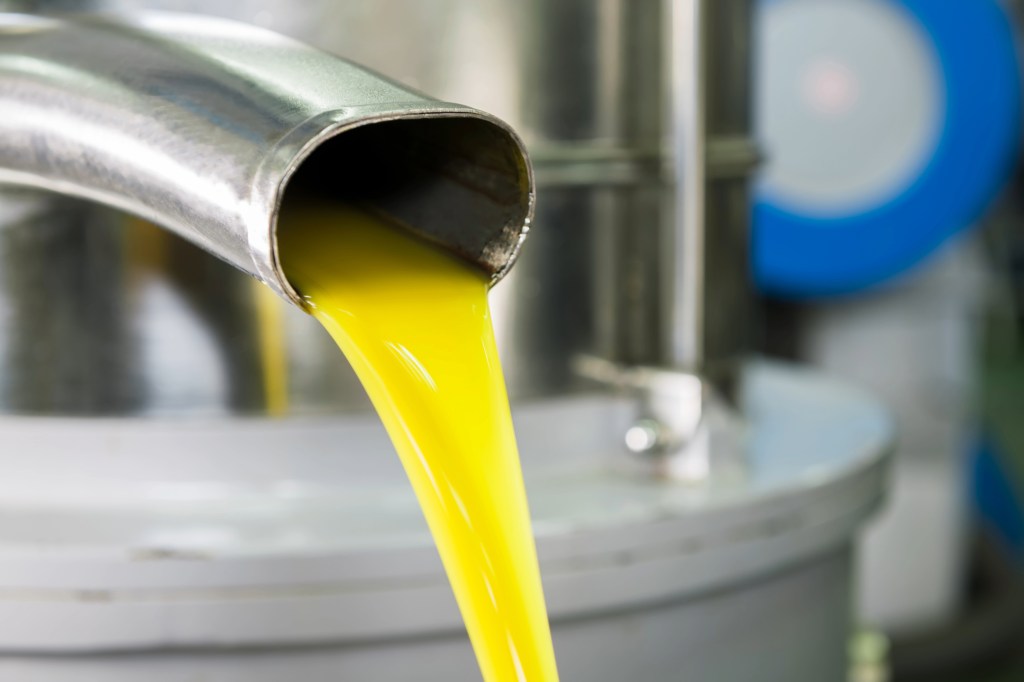

Ultrasonically assisted extraction and malaxation enhance the efficiency of extra virgin olive oil (EVOO) production by increasing yield, improving nutritional quality, and reducing processing time. This innovative method uses ultrasound—sound waves above 20 kHz—to intensify mechanical and chemical interactions during oil extraction, particularly during malaxation.
Ultrasound-Enhanced Malaxation and Extraction for Superior Extra Virgin Olive Oil Production
How Ultrasound Works
Ultrasound waves traveling through olive paste create alternating high- and low-pressure zones. When pressure drops below the fluid’s vapor pressure, vapor-filled bubbles form and rapidly collapse—a phenomenon known as cavitation. This collapse releases intense energy in the form of shockwaves and microjets that rupture olive cell walls, quickly releasing oil and bioactive compounds. These mechanical and localized thermal effects also help oil droplets coalesce and improve mass transfer efficiency.
Key Benefits of Ultrasound-Assisted Extraction
- Higher Yield: Disruption of olive cell structures significantly increases oil release. Studies report yield improvements of 10–20% and phenolic content enhancement by approximately 10% compared to traditional methods, especially in early-harvest olives.
- Improved Nutritional Quality: Ultrasound facilitates the extraction of antioxidants such as polyphenols, tocopherols, oleuropein, and α-tocopherol. These compounds boost the oil’s nutritional value and extend shelf life.
- Better Sensory Properties: The process enhances the oil’s aroma, reduces bitterness, and preserves natural pigments like chlorophylls and carotenoids, contributing to a more intense green color and fresher flavor.
- Faster Processing: Sonication shortens extraction and malaxation times, increasing throughput and operational efficiency.
- Non-Thermal Method: Ultrasound preserves the integrity of sensitive bioactive compounds by minimizing thermal degradation and oxidation.
- Flavor Infusions: Cavitation also enables faster, more complete flavor infusion when herbs, spices, or citrus peels are added to the oil.
Industrial Applications and Optimization
Ultrasound-assisted extraction is increasingly adopted at an industrial scale due to its ability to maintain consistent processing conditions and improve overall product quality. Inline sonication systems ensure uniform treatment and reduce the need for extensive preheating, maintaining optimal extraction temperatures (28–30°C).
Considerations for Effective Implementation
- Parameter Optimization: Extraction efficiency depends on ultrasound parameters such as power, frequency, and exposure time. Tailoring these for specific olive cultivars and process goals is essential.
- Scalability: Research institutions and pilot-scale operations play a key role in refining this technology for broader industry adoption.
References
- Tamborrino et al. (2021). Assessment of olive oil plant layout with ultrasound. Ultrason. Sonochem., 73.
- Taticchi et al. (2019). Physicochemical traits of ultrasound-extracted virgin olive oil. Food Chem., 289, 7–15.
- Servili et al. (2019). Ultrasound at varying pressures: Effects on yield and quality. Ultrason. Sonochem., 59.
- Manganiello et al. (2021). Ultrasound effects on Italian EVOO quality. Foods, 10(11):2884.
- Achat et al. (2013). Olive oil enrichment via ultrasound-assisted maceration. Nutr. Metabol., 2013.
- Bejaoui et al. (2016). Ultrasound conditioning: Temp prediction and oil quality. LWT – Food Sci. Technol., 69, 175–184.
- Vossen (1998). Variety and maturity impacts on olive oil quality. UC Davis Report.
- Servili et al. (2019). Industrial ultrasound in EVOO: Review. Foods, 8(4):121. https://www.mdpi.com/2304-8158/8/4/121




 FFFoodScience || Future-Forward Food Science